


Introduction: A Turning Point in the South Korean Economy
In late 1997, South Korea faced a significant economic crisis. Known as the ‘IMF Foreign Exchange Crisis,’ this event left a lasting impact on the nation’s economy and its people. However, this crisis was not merely an economic downturn; it became a catalyst for profound financial and corporate restructuring. In this column, we will explore the meaning and causes of the IMF crisis, compare it with the present situation, and highlight the key lessons we can learn from it.
What Was the IMF Crisis?
The IMF (International Monetary Fund) is a global organization established to ensure financial stability and support nations facing economic difficulties. The IMF crisis refers to the situation where South Korea requested an emergency bailout from the IMF due to a severe shortage of foreign exchange reserves. This was not just financial aid; it came with stringent economic reforms, including austerity measures and corporate restructuring, which transformed South Korea’s economic landscape.

Background and Causes of the 1997 IMF Crisis
South Korea's request for emergency IMF support resulted from a combination of economic issues:
- Shortage of Foreign Exchange Reserves
Due to a worsening trade deficit, South Korea's foreign exchange reserves depleted rapidly, undermining its international credit rating. - Corporate Mismanagement and Debt Accumulation
Major corporations aggressively expanded through excessive borrowing, leading to unsustainable debt levels. Companies such as Daewoo, Hanbo, and Kia Motors faced bankruptcy. - Weak Financial System
Financial institutions lacked proper regulations and oversight, making them highly vulnerable to external shocks. - Currency Instability and Capital Flight
The financial instability across Asia led to massive capital outflows, causing the Korean won to depreciate sharply and exacerbating the crisis.
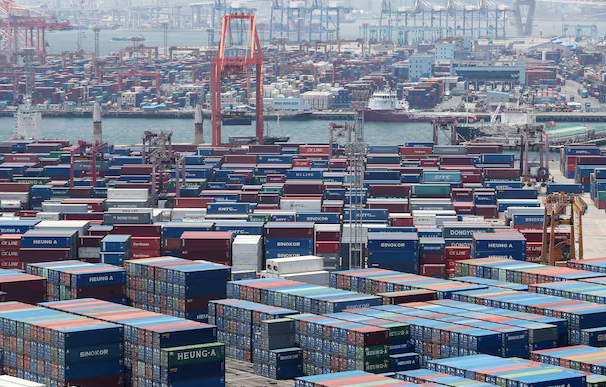
IMF Bailout and Its Impact
In December 1997, the South Korean government signed a bailout agreement with the IMF, securing a $55 billion rescue package. This agreement imposed several measures:
- Nationwide austerity policies for both public and private sectors
- Large-scale corporate restructuring and financial sector reforms
- High-interest rate policies that limited borrowing and reduced consumer spending
- A sharp increase in unemployment and economic slowdown
During this period, many businesses collapsed, and unemployment soared, bringing immense hardship to the people. However, this painful experience laid the foundation for South Korea’s long-term economic resilience.
How Has the South Korean Economy Changed Since the IMF Crisis?
Following the IMF crisis, South Korea undertook major economic and financial reforms. Comparing the past and present reveals key differences:
Category1997 IMF CrisisPresent (2025)
| Foreign Exchange Reserves | Insufficient, leading to a loss of national creditworthiness | Sufficient reserves ensure financial stability |
| Corporate Governance | High debt, chaebol (conglomerate) dominance | Strengthened internal controls and improved financial health |
| Financial System | Weak regulation and oversight | Robust supervision aligned with international standards |
| Global Financial Resilience | Vulnerable to external shocks | Various currency swap agreements for crisis prevention |
Lessons from the IMF Crisis
The IMF crisis left South Korea with several crucial lessons:
- The Importance of Sustainable Growth Strategies
Excessive expansion through debt financing can lead to economic instability. Maintaining fiscal soundness while pursuing growth is essential. - Strengthening Financial Regulations
Ensuring transparency and sound management of financial institutions is critical to preventing future crises. - The Significance of International Cooperation
South Korea has since secured currency swap agreements with multiple nations, reinforcing its economic stability against future global financial turmoil. - The Need for Financial Education
Many individuals suffered during the IMF crisis due to a lack of financial literacy. Raising awareness about personal financial management and economic risks is crucial for national economic stability.

Conclusion: The IMF Crisis and Future Challenges
The IMF crisis was a severe shock to the South Korean economy, but it also served as a wake-up call that led to significant improvements in financial policies and corporate governance. While the economy is now much stronger than it was in 1997, global uncertainties remain a challenge. It is crucial for governments, corporations, and individuals to continuously manage financial risks and prepare for future crises.
By learning from past failures, South Korea can continue to build a robust economic system that can withstand any financial turbulence in the years to come.