

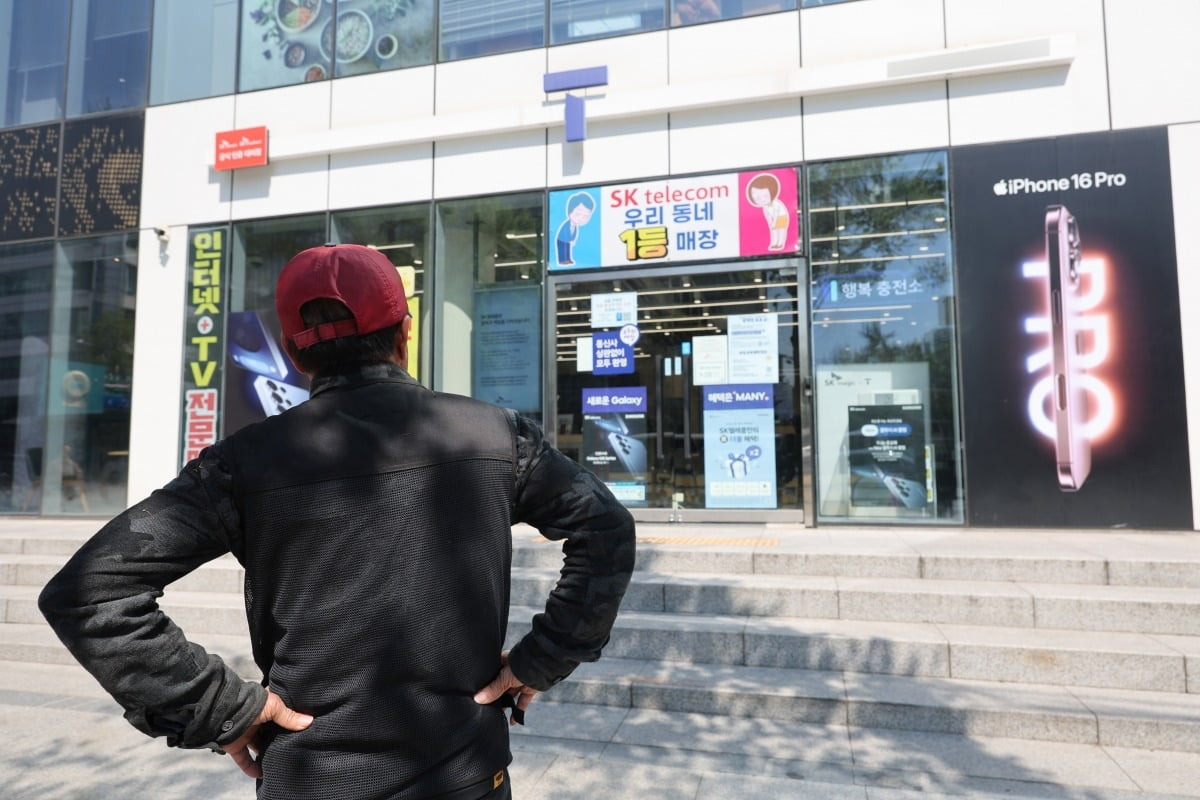
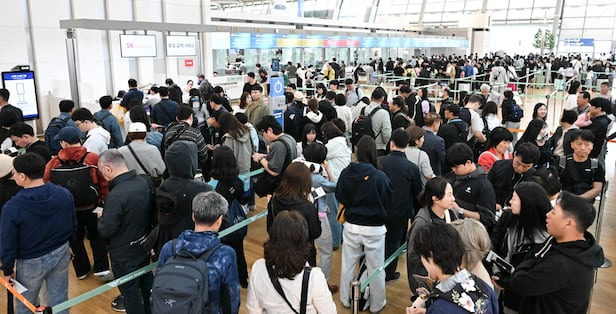
Amid growing public backlash over a recent SIM card hacking incident, pressure is mounting on SK Telecom to waive early termination fees for affected customers who wish to switch carriers. A new legal opinion from South Korea’s National Assembly Research Service has added weight to these calls, stating that there is a legitimate legal basis for the company to exempt users from penalties.
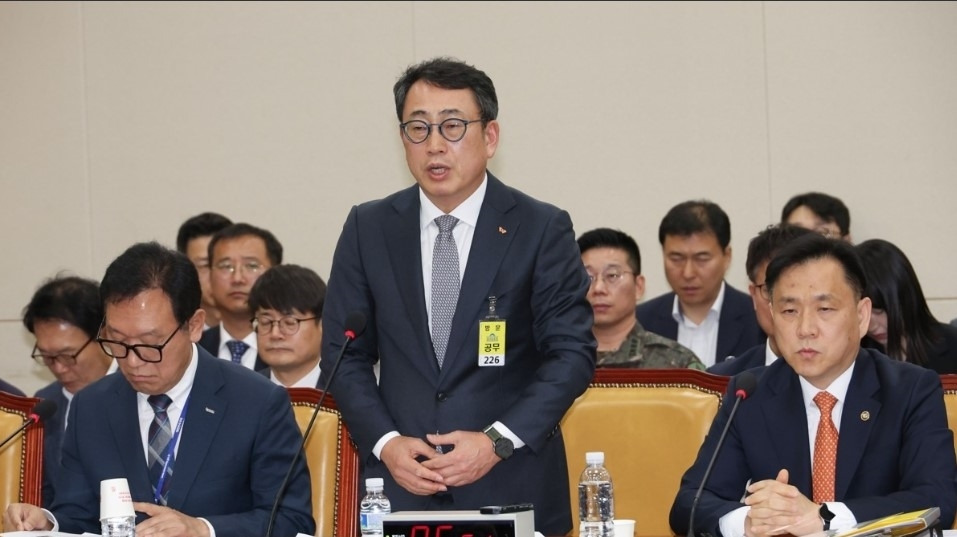
According to Rep. Choi Min-hee, chair of the National Assembly’s Science and ICT Committee, the opinion was issued following her inquiry into whether mobile carriers can unilaterally forgo termination charges in the wake of major service disruptions. The response was clear: not only is it legal, but there is precedent.
The Research Service pointed to SK Telecom’s own service terms, which include clauses exempting customers from penalties when contract termination results from the company’s fault. If the hacking incident is deemed such a failure, the company can justifiably offer penalty waivers. Even in ambiguous cases, the Service emphasized that voluntary waivers are not legally prohibited.
The report also referenced the 2016 Galaxy Note 7 battery fire recall, during which telecom providers voluntarily waived fees for affected users—setting a precedent for corporate accountability in crisis situations.

Concerns have been raised that waiving termination fees could violate corporate fiduciary duties. However, the Research Service countered that such an action, if seen as protecting long-term business interests and reducing exposure to lawsuits or regulatory scrutiny, does not constitute a clear breach of duty—especially given the uncertainty around whether SK Telecom bears full responsibility for the incident.
Rep. Choi urged SK Telecom to act decisively, stating, “This is not the time for silence. The company must show accountability to the public.”